Eat Your Way Through Kyoto's History: A Food Lover's Guide to the City's Culinary Soul
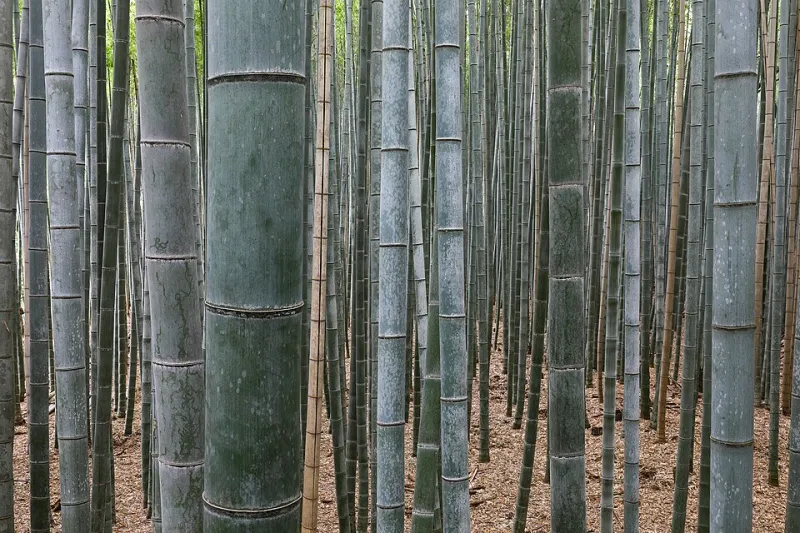
Photo: Basile Morin, CC BY-SA 4.0, via Wikimedia Commons
Most visitors to Kyoto show up with a list of temples. Which is fair — the city has over 1,600 of them. But here's something the average tourist misses: Kyoto's food culture is just as ancient, just as layered, and honestly a lot more delicious to engage with. The city spent over a millennium as Japan's imperial capital, and that long reign left fingerprints all over the local cuisine. Once you know what to look for, eating here feels less like a meal and more like flipping through a history book.
Why Kyoto Food Is Different From Anything You've Tasted
Let's start with the basics. Kyoto-style cuisine — called Kyō-ryōri — developed partly because of geography. The city sits inland, surrounded by mountains, which meant fresh seafood was never part of the daily diet the way it was in coastal cities like Osaka. So Kyoto cooks got creative with vegetables, tofu, pickles, and preserved fish. Over generations, this limitation became a strength.
The result is a cuisine that's subtle, seasonal, and almost meditative in its presentation. If you're used to bold American flavors — smoky BBQ, loaded nachos, punchy hot sauce — Kyoto food might catch you off guard at first. But give it a moment. The complexity is there; it just asks you to slow down and pay attention.
Nishiki Market: Kyoto's 400-Year-Old Pantry
If there's one place to start your culinary education, it's Nishiki Market. Locals call it "Kyoto's Kitchen," and that nickname earns its keep. The narrow covered arcade stretches about five blocks through central Kyoto and has been a food market in some form since the early 1600s.
Walk slowly here. Look for vendors selling tsukemono (Kyoto-style pickles), which come in flavors you won't find anywhere else — think pickled eggplant with a hint of sesame, or thinly sliced turnip wrapped around shiso leaf. These pickles aren't just snacks. They're a preservation technique that dates back to when Buddhist temples needed ways to keep vegetables edible through long winters.
While you're there, try yudōfu — silken tofu simmered in a light kombu broth. It sounds simple, and it is, but that simplicity is the whole point. Tofu became central to Kyoto's diet because Buddhist monks, who held enormous influence over the city for centuries, followed plant-based diets. The city's tofu culture is essentially the culinary legacy of that spiritual tradition.
Obanzai: The Soul Food of Imperial Kyoto
If you want one concept that unlocks Kyoto's food history, it's obanzai. This refers to a style of home cooking — small dishes made from seasonal vegetables, simmered beans, pickled things, and whatever was fresh at the market that day. Think of it as Kyoto's version of Southern comfort food, except instead of biscuits and gravy, you're getting braised burdock root and sweet black soybeans.
Obanzai restaurants are everywhere in Kyoto, ranging from casual lunch spots to more refined dinner experiences. Many of the best ones are run by families who've been cooking the same recipes for two, three, or even four generations. Eating at one of these places isn't just dinner — it's a conversation with the past.
Look for small spots in the Fushimi or Nishijin neighborhoods, away from the main tourist corridors. These areas still have a lived-in, residential feel, and the obanzai joints there tend to cater more to locals than to tour groups.
The Seasonal Calendar on Your Plate
One of the most distinctly Japanese things about Kyoto's food culture is the concept of shun — eating ingredients at the peak of their natural season. This isn't a trendy farm-to-table marketing angle; it's a philosophy that's been embedded in Kyoto cooking for well over a thousand years.
Visiting in spring? You'll find bamboo shoots (takenoko) everywhere — in rice dishes, soups, and simmered preparations. They're harvested in the hills surrounding the city and have a delicate, slightly grassy flavor that's completely different from anything canned. Summer brings hamo, a type of eel that's particularly beloved in Kyoto and traditionally eaten during the Gion Matsuri festival in July. Fall means chestnuts and matsutake mushrooms. Winter is the season for kabu (turnip) and various root vegetables.
If your travel dates are flexible, timing your trip around a seasonal ingredient or food festival adds a whole extra dimension to the experience.
Finding the Family-Run Places That Actually Matter
Here's a practical tip: some of Kyoto's most historically significant restaurants don't have much of an Instagram presence, and that's kind of the point. Places like Nakamura, which has been serving kaiseki cuisine since the 1500s, or Tsuruse, known for its tofu dishes, represent a continuity of craft that's genuinely rare anywhere in the world.
You don't need to spend a fortune at a multi-course kaiseki dinner (though if you can swing it once, do it). Even a simple lunch at a long-running soba shop or a morning visit to a generations-old wagashi (traditional sweets) maker gives you access to that same living history.
When you're navigating the city, look for the noren — those short fabric curtains hanging in doorways — as a signal that a kitchen is open and active. A worn, faded noren often means a place has been at it for a long time. That patina is earned.
What You're Really Eating When You Eat in Kyoto
Here's the thing about Kyoto's food culture that doesn't always make it into travel articles: it's inseparable from the city's spiritual and artistic life. The same Buddhist temples that shaped the city's skyline also shaped what people ate and when. The imperial court that commissioned centuries of art and poetry also developed highly ritualized dining traditions that eventually filtered down into everyday cooking.
When you sit down to a carefully arranged obanzai meal, or watch a wagashi maker shape red bean paste into the form of a spring blossom, you're seeing that heritage in real time. It's not a performance for tourists. It's just how this city has always understood the relationship between beauty, nature, and nourishment.
Kyoto is full of temples worth visiting. But the next time you're there, consider letting your stomach lead the way for a day. You might be surprised how much history fits on a single plate.