Soak It In: The Kansai Region's Hidden Hot Springs That Locals Actually Love
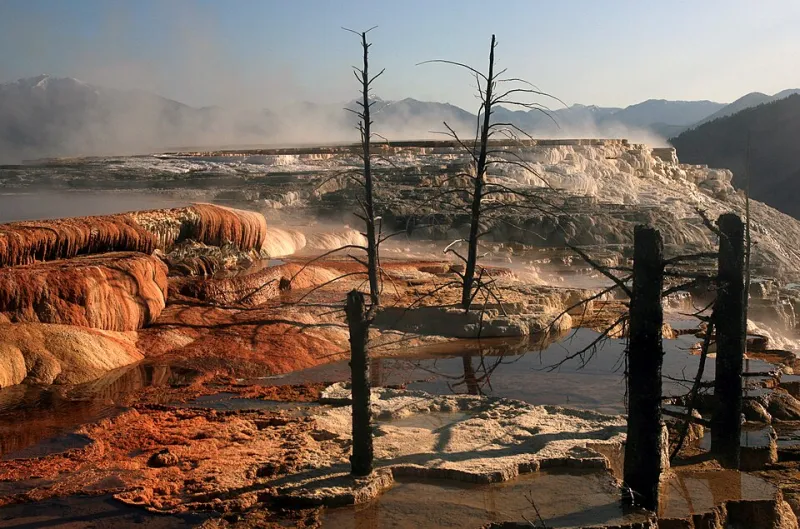
Photo: Brocken Inaglory, CC BY-SA 3.0, via Wikimedia Commons
Hakone gets all the press. It's on every Japan itinerary, every travel influencer's highlight reel, every "10 Days in Japan" blog post you've ever read. And sure — soaking with a view of Mount Fuji is undeniably great. But here's what those itineraries consistently miss: the Kansai region and its surrounding mountains are absolutely loaded with exceptional onsen destinations that most international visitors never hear about.
Locals know this. On long weekends, Osaka salarymen pile into cars heading toward Arima. Kyoto families book weekend stays in the Kinosaki inns that their grandparents used to visit. Nara hikers detour into mountain villages for a post-trail soak that costs less than a cup of coffee in Manhattan. The infrastructure is there. The thermal geology is remarkable. And the crowds? Mostly Japanese — which, if you're trying to experience something authentic, is exactly what you want.
Here's your guide to the onsen spots that Kansai residents actually choose when they need to decompress.
First: A Quick Onsen Primer for First-Timers
Before we get into the destinations, let's cover the basics — because onsen etiquette is real, and getting it wrong is uncomfortable for everyone.
The rules, briefly:
- Wash thoroughly at the shower stations before entering any communal bath. This is non-negotiable.
- Tattoos are still prohibited at many traditional onsen. It varies by location — we'll note where policies are more relaxed.
- Bathing suits are generally not worn in traditional communal baths. Private baths (kashikiri) are an option if you prefer privacy.
- Keep your small towel out of the water. Fold it on your head or set it aside.
- No phones, no photos in the bathing areas. Ever.
Once you're in the water, you'll understand why people drive two hours for this. Japanese thermal water is geologically diverse — some springs are high in iron, some in sodium bicarbonate, some in sulfur — and the effects on your skin and muscles are genuinely different depending on where you go.
Arima Onsen, Kobe: Japan's Oldest Thermal Town, Right in Your Backyard
Sitting tucked into the mountains north of Kobe, Arima Onsen is one of the oldest hot spring resorts in Japan — records of its use go back over 1,300 years, and it was a favorite retreat of the warlord Toyotomi Hideyoshi in the 16th century. Despite this pedigree, it remains genuinely under-visited by international tourists, who tend to blow past it on their way between Osaka and Kyoto.
Arima has two distinct water types: Kinsen (gold spring), rich in iron and sodium chloride, which turns the water a striking reddish-brown; and Ginsen (silver spring), a clear, carbonated water with different mineral properties. Most ryokan in the area offer access to both. The town itself is compact and walkable, with sake shops, traditional snack vendors, and wooden bathhouses (soto-yu) you can pay to use even if you're not staying overnight.
Getting there: About 40 minutes from Shin-Kobe Station by direct bus, or via a short train connection. Totally doable as a day trip from Osaka or Kobe, though an overnight stay at a traditional ryokan is the move if your budget allows.
Tattoo policy: Varies by establishment — some newer hotels are more flexible. Ask directly when booking.
Kinosaki Onsen, Hyogo: Seven Bathhouses, One Town, Zero Pretension
This one's a bit further out — about two hours from Osaka by limited express train — but Kinosaki Onsen is the kind of place that makes you rethink your entire approach to travel. It's a small town built around a willow-lined canal and seven public bathhouses (sotoyu), each with different architecture, water properties, and atmosphere. When you stay at a ryokan in Kinosaki, you get a pass to all seven. The local custom is to put on your yukata (cotton robe) and wooden geta sandals and walk between bathhouses throughout the evening, hopping in and out like you own the place.
This is how Japanese people have been spending their vacations here since the 8th century. The town has a rhythm to it that's hard to describe but immediately apparent when you arrive: slow, communal, and completely analog. The only thing anyone is doing is relaxing.
The water is a sodium chloride spring — great for skin and muscle recovery, with a gentle warming effect that lasts long after you get out.
Best for: Couples, solo travelers who want a genuinely immersive cultural experience, anyone who needs to seriously disconnect.
Practical note: Book ryokan well in advance for weekends, especially in fall foliage season (October–November).
Totsukawa Onsen, Nara: Deep Mountain Soaking in Japan's Largest Village
If you want to feel like you've genuinely gone off the grid without actually suffering, Totsukawa is your answer. Located deep in the mountains of southern Nara Prefecture, this is technically Japan's largest village by land area — and one of its most sparsely populated. Getting there requires commitment: a combination of train and bus that takes several hours from Osaka. But the payoff is thermal baths perched above forested river gorges, with almost no other foreign tourists in sight.
Totsukawa's springs are high in sodium bicarbonate, which gives the water a silky texture that's often described as "beautifying" — and which feels noticeably different from the iron-heavy springs at Arima. Several small ryokan and guesthouses dot the area, most of them family-run and serving locally sourced mountain cuisine (sansai — foraged mountain vegetables — and freshwater fish from the Totsukawa River).
This is a destination for travelers who want to understand what rural Japan actually looks like, away from the curated heritage districts. It's quiet in a way that cities never are.
Getting there: Bus from Yamato-Yagi Station (Kintetsu Line from Osaka or Nara). Check schedules carefully — service is limited.
Yunomine Onsen, Wakayama: A UNESCO-Listed Spring in Sacred Territory
Here's a fact that surprises most people: Yunomine Onsen, nestled in the Kumano mountains of Wakayama Prefecture, is part of a UNESCO World Heritage Site. It sits along the ancient Kumano Kodo pilgrimage trail and has been in continuous use for over 1,800 years — making it one of the oldest hot springs in Japan.
The centerpiece is Tsuboyu, a tiny two-person bathhouse built over a natural spring in the middle of a stream. You book it in 30-minute slots, and the water is so hot and mineral-rich that locals have traditionally used it to cook eggs and vegetables. The spring's composition actually changes seven times a day as temperatures fluctuate — a phenomenon unique to Yunomine.
The surrounding village is tiny and atmospheric, with steam rising from the stream and a handful of ryokan that have been hosting pilgrims and travelers for centuries. Pair a night here with a hike along the Kumano Kodo and you'll have one of the most genuinely memorable experiences available anywhere in Kansai.
Tattoo policy: Tsuboyu is a private bath, so tattoos are fine there. Larger communal baths vary.
The Bottom Line: Kansai's Onsen Scene Deserves Its Own Itinerary
You could honestly spend an entire two-week trip in the Kansai region moving between these thermal destinations and never once feel like you were missing out on Hakone. The geology here is diverse, the history is deep, the food at the surrounding ryokan is exceptional, and the crowds are manageable in a way that Japan's most famous onsen resorts simply aren't anymore.
The best approach: anchor yourself in Osaka or Kyoto, and use the region's excellent rail and bus network to make targeted onsen excursions — some as day trips, some as overnight stays. Your muscles will thank you. Your phone will stay in your bag. And you'll come home with stories that don't start with "so we went to Hakone like everyone else."