Your Cheapest, Most Delicious Cultural Crash Course Costs Less Than Ten Bucks
Photo: Martin Falbisoner, CC BY-SA 4.0, via Wikimedia Commons
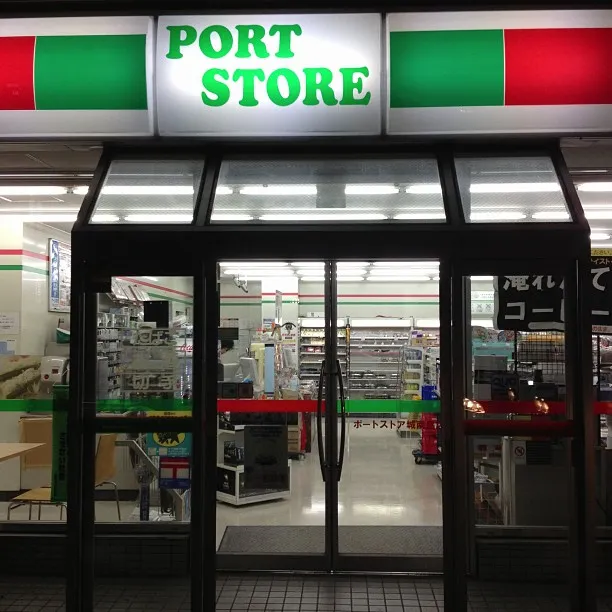
Somewhere between your third temple visit and your second bowl of ramen, you're going to get hungry at a weird hour. Maybe it's 11pm. Maybe it's 7am and you're still jet-lagged. Either way, there's a glowing FamilyMart sign about thirty feet away, and you're about to discover that Japan's convenience stores — called konbini — are genuinely one of the best things to happen to your stomach in the Kansai region.
This isn't a consolation prize. Locals eat here all the time. Salarymen, grandmothers, college students, chefs on their days off — the konbini is a democratic institution, and once you understand how to navigate it, you'll stop seeing it as a backup plan and start treating it like the cultural shortcut it actually is.
First, Drop the American Convenience Store Comparisons
Forget everything a 7-Eleven back home has taught you. The average konbini in Japan — and there are four main chains you'll encounter in Kansai: 7-Eleven, FamilyMart, Lawson, and Ministop — stocks freshly prepared food that gets restocked multiple times a day. The onigiri (rice balls) you grab at noon weren't sitting there since yesterday. The sandwiches are made with milk bread that has no business being this soft. The hot food section near the register smells like it belongs in an actual restaurant.
Kansai specifically has a few regional quirks worth knowing. This is the part of Japan where food culture runs deep — Osaka is often called the nation's kitchen, and that pride filters down even to what shows up on konbini shelves. You'll find items here that you simply won't see in Tokyo stores, and that's part of the fun.
The Onigiri Aisle Is Your Best Friend
Start here if you start anywhere. Onigiri are triangular rice balls wrapped in seaweed, and they're usually stacked in a refrigerated section near the front. They run about ¥130–180 each, and a couple of them make a solid light meal.
The packaging is your friend even if you can't read a word of Japanese. Most onigiri wrappers have a small illustration of the filling — a pink swirl usually means salmon (sake), a brown chunk suggests tuna mayo (tsuna mayo, which is wildly popular), and a dark reddish filling is often pickled plum (umeboshi). Look for wrappers with a little red chili icon if you want something with a kick.
In Kansai, keep an eye out for takikomi gohan onigiri — rice cooked with dashi broth and vegetables or meat. It's a regional style that's more savory and complex than plain white rice, and it's the kind of thing you'd find at a local home kitchen. If you spot it, grab it.
How to Work the Hot Food Counter Without Panicking
The heated display case near the register is intimidating exactly once. After that, it's your best source of fast, cheap, genuinely tasty food. Point at what you want, hold up fingers for quantity, and the staff will bag it for you. Nobody expects you to speak Japanese here.
What to look for: nikuman (steamed pork buns) are a staple, especially at Lawson and FamilyMart. In Kansai during fall and winter, some stores stock kara-age (Japanese fried chicken) that's noticeably better than what you'd find in other regions — juicier, with a lighter batter. Oden, a simmered stew of tofu, fish cakes, and daikon radish, shows up in the fall and is served from a big pot right at the counter. Point, nod, pay — it's about ¥100–150 per item.
Reading Labels Without Reading Japanese
You don't need to translate everything. A few visual cues go a long way:
- Red packaging often signals spicy or bold flavors.
- Green packaging frequently means matcha or vegetable-forward.
- A cow illustration on dairy products is self-explanatory.
- Numbers with a ¥ symbol are your prices — always visible and always honest.
- Calorie counts are printed on almost everything in Japan, usually near the barcode, in plain numerals.
For allergens, the packaging can be dense, but most chains now use standardized icons for the big ones: wheat, eggs, dairy, shellfish. If you have a serious allergy, the FamilyMart app has an English interface that lets you filter products — genuinely useful.
The ¥1000 Full Meal Challenge
Here's a fun constraint to put on yourself: build a complete, satisfying meal for under ¥1000 (roughly $6–7 USD). It's more than doable, and it forces you to explore the shelves properly.
A solid Kansai konbini meal might look like this:
- Two onigiri (¥130 x 2 = ¥260)
- One kara-age from the hot counter (¥160)
- A small container of chikuwa or fish cake (¥100)
- A can of canned green tea or mugicha (barley tea) (¥100–130)
- A small pack of taiyaki or a mochi dessert to finish (¥150)
Total: somewhere around ¥770–850. You've got change left over, and you've just eaten the way a local college student eats between classes at Osaka University.
Regional Specialties Worth Hunting Down
Kansai's food identity is strong enough that it bleeds into the konbini supply chain. A few things to specifically look for while you're in the region:
Takoyaki-flavored snacks: Osaka's famous octopus balls show up as chips, crackers, and even instant noodles. They're novelty items, sure, but they're also genuinely representative of local flavor culture.
Kansai-style sandwiches: The egg salad and katsu sandwiches in Kansai tend toward a slightly sweeter mayo profile compared to Tokyo. It's subtle, but it's there.
Dashi-heavy prepared foods: Look for chazuke (rice with tea or broth poured over it) kits and dashimaki tamago (rolled egg with dashi). These are comfort foods that reflect the Kansai obsession with layered, umami-forward flavors.
Regional limited editions: Japanese konbini chains regularly release location-specific items. In Kyoto stores, you might find matcha-flavored everything. Near Nara, some FamilyMart locations stock deer-themed packaging on seasonal sweets. It's worth glancing at the end caps near the entrance — that's usually where the local specials live.
One Last Thing: The Etiquette Is Easy
Konbini staff are unfailingly polite, and the checkout process is streamlined for tourists whether they know it or not. The screen at the register will show your total. You can pay with cash, IC card (like ICOCA, which you should have if you're getting around by train), or increasingly by credit card. If the cashier asks you something, it's almost certainly whether you want chopsticks (hashi), a bag (fukuro), or if you want your food warmed up (atatamemasu ka?). Nod for yes, shake your head or say daijoubu (it's fine/no thanks) for no.
That's genuinely all you need. The rest is just wandering the aisles, following your instincts, and eating something that surprises you — which, in Kansai, is kind of the whole point.