No Sign, No Menu, No Problem: How to Find and Enter Kansai's Most Secretive Restaurants
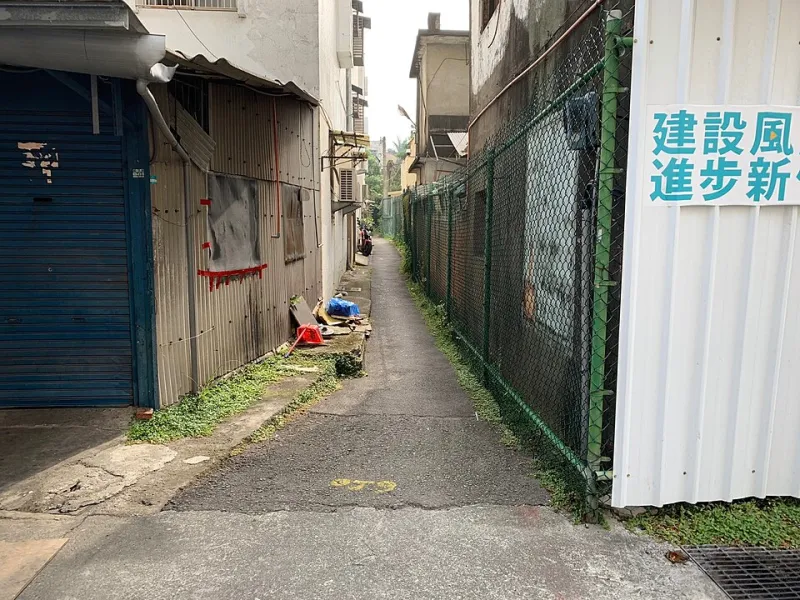
Photo: Tbatb, CC BY-SA 4.0, via Wikimedia Commons
You're walking down a narrow side street in Kyoto's Gion district sometime around seven in the evening. The alley is quiet. A single paper lantern glows amber above a wooden door. There's no name on the door. No hours posted. No laminated menu taped to the window, because there is no window. Just a door, a lantern, and the faint smell of dashi stock drifting through the wood.
Do you knock? Do you push it open? Do you keep walking and wonder about it for the rest of your trip?
If you've spent any real time in Kansai, you've run into this exact situation. And if you're like most American travelers, you probably kept walking. That's understandable. But it's also a missed opportunity — because what's behind that door might be one of the finest meals of your life.
Why the Best Places Hide in Plain Sight
Japan has a long tradition of what's sometimes called kakurega dining — literally, "hideaway" eating. These are restaurants that operate almost entirely on reputation and referral. They don't advertise. They don't need to. Their customers come because someone they trust told them to come, and that word-of-mouth chain has been running for years, sometimes decades.
In Kansai especially, this culture runs deep. Osaka is famous for its food obsession — the local saying kuidaore, meaning "eat until you drop," is practically a civic philosophy — but that obsession isn't just about quantity or spectacle. It's about quality, and quality in this context means relationships. The chef knows the farmer. The farmer knows the fisherman. The diner knows the chef. Everything connects through trust, and trust doesn't need a neon sign.
Kyoto adds another layer. The city's long history of aristocratic and temple culture created a taste for restraint and subtlety that still shapes how the best restaurants present themselves. Showing off is considered a little gauche. If your food is extraordinary, the people who matter will find you. Everyone else can eat somewhere with a picture menu out front.
What "No Sign" Actually Signals
Here's the shift in thinking that changes everything: in the US, no signage usually means a place isn't ready for customers, or doesn't particularly want them. In Kansai, it can mean exactly the opposite. A blank facade is sometimes a deliberate message — we're not here for strangers, we're here for people who belong.
That might sound exclusionary, and in a way it is. But it's not hostile. It's more like a filter. The restaurant is self-selecting for guests who come with some context, some intention, some connection to the place. Walk in cold off the street and you might get a politely confused look. Walk in because your hotel concierge called ahead, or because a Japanese colleague texted the owner on your behalf, and you're suddenly welcomed like you've been expected all along.
This is what the blank door is actually communicating: the relationship comes first. The meal is a consequence of trust, not the other way around.
Learning to Read the Signals
So how do you tell the difference between a shuttered building and a restaurant that simply doesn't advertise? A few things to look for:
Light and warmth. Even the most discreet kakurega restaurant will usually have some soft light visible around the edges of the door or under it during service hours. The paper lantern mentioned above is a classic marker. So is a small potted plant or a carefully swept stone step — signs that someone is tending the space.
Sound. Stand still for a moment. You can often hear low conversation, the faint clatter of dishes, or the sound of a gas burner. These places aren't silent — they're just not loud.
Timing. Dinner service in Kansai typically runs from around six to nine or ten p.m. If you're wandering at noon and a door looks blank, it's probably just closed. Come back after dark.
The noren curtain. This short fabric divider hung in the doorway is one of the clearest signals in Japanese food culture. If the noren is hanging, the place is open. If it's been taken down or is absent, it's closed. Some kakurega spots use a noren so understated you might miss it — a single-color cloth with no text — but it's there.
How to Actually Get In
The honest answer is: a connection helps enormously. Ask your hotel concierge specifically about kakurega or kappo restaurants — the latter being a style of intimate counter dining where the chef cooks directly in front of a handful of guests. Explain that you want something local and unadvertised. A good concierge in Kyoto or Osaka will make a call for you, and that call changes everything.
If you're traveling without that kind of support, look for food-focused local tour operators who specialize in exactly this kind of access. Several operate in both Osaka and Kyoto, and they've already built the relationships you'd need years to develop on your own.
If you genuinely want to walk up cold — and sometimes that gamble pays off — a few things help. Dress neatly. Arrive at the beginning of service, not mid-evening when the chef is in the weeds. Bow slightly when the door opens. Say sumimasen (excuse me) before anything else. If the person who answers looks uncertain, don't push. Smile, bow again, and let it go. You haven't failed — you've just demonstrated the kind of respect that might get you in next time.
What the Experience Actually Teaches You
Eating behind an unmarked door in Kansai is about more than the food, though the food is almost always worth it. It's a lesson in how trust actually functions when it's built from the ground up rather than manufactured through marketing.
In the US, we're surrounded by signals designed to make us feel safe about spending money — stars, reviews, logos, influencer photos. Those signals exist because we're mostly eating with strangers, in systems built for volume and turnover. Kansai's kakurega culture runs on something older and slower: the reputation of a person, passed from one trusted voice to another.
That's not a system you can game or shortcut. But once you're inside it — once someone vouches for you and you walk through that unmarked door and sit down at a counter where the chef greets you like a guest in their home — you understand something about hospitality that no amount of Yelp browsing can replicate.
The door isn't locked against you. It's just waiting for the right introduction.
And now you know how to make one.