Start Here: Your Smarter Introduction to Kansai Before You Land
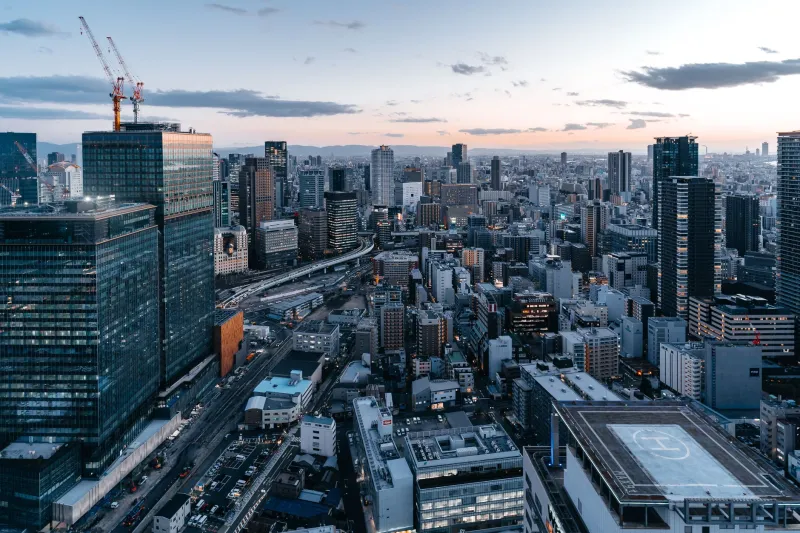
So you're going to Kansai. Maybe it's your first time in Japan altogether. Maybe you've done Tokyo and you're ready to go deeper. Either way, welcome — and slow down for a second, because Kansai is not Tokyo, and it will absolutely surprise you if you show up assuming otherwise.
This is your starting point. Not a checklist, not a highlight reel. A real, honest orientation from people who spend a lot of time here.
What Even Is Kansai?
Kansai (also called Kinki, though locals rarely use that word around tourists) is the cultural and historical heartland of Japan. It covers a loose cluster of prefectures in western Honshu — Osaka, Kyoto, Hyogo (home of Kobe), Nara, Shiga, Mie, and Wakayama. These places are close enough to day-trip between, but distinct enough that each one deserves its own headspace.
For most American travelers, the mental shorthand is: Kyoto for temples and tradition, Osaka for food and energy, Nara for deer and ancient shrines. That's not wrong, but it's also not the whole picture. Kansai rewards the curious. The more you poke around, the better it gets.
Kansai vs. Tokyo: Why It Actually Matters
If you've been to Tokyo first, or if all your Japan research has been Tokyo-centric, reset your expectations. Kansai runs on different social software.
People here are louder, warmer, and more likely to make eye contact with a stranger. Osaka especially has a reputation for directness and humor that can feel almost un-Japanese to visitors who've absorbed the quieter, more reserved energy of the capital. In Kansai, if your joke lands, someone will tell you. If your takoyaki order is wrong, someone will fix it — loudly and cheerfully.
The dialect is different too. Kansai-ben (the regional dialect) has its own rhythm, vocabulary, and intonation. You'll hear it everywhere. Don't panic. Most people working in tourism speak standard Japanese or passable English. But learning even a few local phrases before you arrive will earn you genuine warmth. Locals notice, and they appreciate it.
The Three Things That Actually Trip Up First-Timers
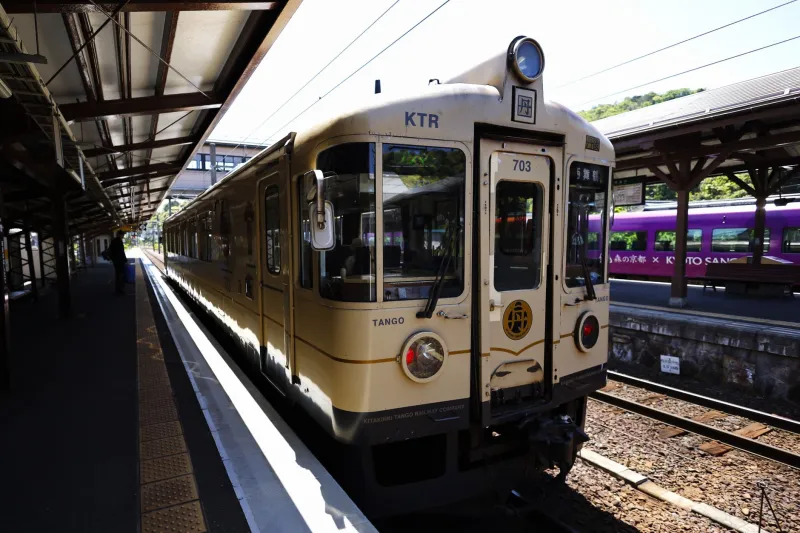
1. The train system is incredible and also confusing. Kansai has multiple overlapping rail networks — JR, Hankyu, Hanshin, Kintetsu, subway lines — and they don't all use the same IC card systems or pass types. Your Japan Rail Pass covers some trains and not others. Before you arrive, spend twenty minutes understanding which pass makes sense for your itinerary. It will save you real money and a lot of platform confusion.
2. Cashless isn't universal. Japan is modernizing fast, but plenty of smaller restaurants, shrines, and local shops in Kansai still run cash-only. IC cards (like ICOCA, which is the Kansai standard) work for transit and convenience stores, but keep some yen in your wallet. ATMs at 7-Eleven and Japan Post reliably accept foreign cards.
3. Shoes you can slip on and off. You already know Japan has a shoes-off culture indoors. In Kansai, you'll encounter this constantly — traditional restaurants, ryokan, some temples, some fitting rooms. Wear shoes that come off easily. Your back will thank you.
How to Actually Use This Site
Nuki Navi Kansai exists because generic travel guides treat Kansai like a greatest-hits album. See the golden pavilion. Eat takoyaki on Dotonbori. Buy a deer cracker in Nara. Done.
That stuff is genuinely great — we're not telling you to skip it. But Kansai has layers, and most tourists only see the surface. This site is built to help you go deeper without needing to speak Japanese fluently, hire a private guide, or spend years living here.
Browse by category: Culture & Language if you want to understand how Kansai actually works as a place — how people communicate, what the unwritten rules are, what all those rituals and customs actually mean. Off the Beaten Path if you're ready to leave the guidebook behind and find the Kansai that locals actually live in.
A Few Things Worth Knowing Right Now
- Kansai moves slower than Tokyo, and that's the point. Don't schedule yourself to death. Build in wandering time. The best stuff you'll find here wasn't on any itinerary.
- Food is cheaper and arguably better than Tokyo. Osaka in particular is a serious food city. You can eat extraordinarily well for very little money if you know where to look.
- Respect is the baseline. Kansai people are approachable and funny, but they're not casual about manners. Be quiet on trains, don't eat while walking, and say thank you — even if no one seems to be watching.
- The seasons matter a lot. Cherry blossoms in spring, festivals in summer, foliage in fall, quiet beauty in winter. Each season changes the experience dramatically. Know what you're walking into.
Your Next Step
Start exploring. Use the navigation above to dig into specific topics, or browse recent articles for whatever catches your eye. If you're still in the planning phase, the Culture & Language section is a good place to get your bearings before you look at logistics.
Kansai has been doing its thing for over a thousand years. It's not going anywhere. Take your time, pay attention, and it will give you more than you came for.