The Kansai Quick-Start: Everything You Need Before Your First Full Day
Let's keep this efficient. You're here because you want to understand Kansai fast — maybe you've got a week, maybe less, and you don't want to spend the first two days figuring out what you should have known before you arrived. Good instinct. Here's the brief.
The Big Picture in About Two Minutes
Kansai is Japan's cultural spine. While Tokyo is the country's economic and political engine, Kansai is where Japanese civilization was built. Kyoto served as the imperial capital for over a thousand years. Osaka was the commercial heart of feudal Japan. Nara was the country's first permanent capital. The temples, shrines, castles, and craft traditions you came to see? Most of them have roots here.
What that means for you as a traveler: this region is dense with meaning. Things that look decorative often aren't. Rituals that look like tourism bait often aren't. If you can slow down enough to ask why something is happening the way it is, Kansai will reward you with answers that are genuinely interesting.
The Highlights, Honestly Ranked
Every Kansai itinerary looks roughly the same on paper. Here's how to think about each major stop:
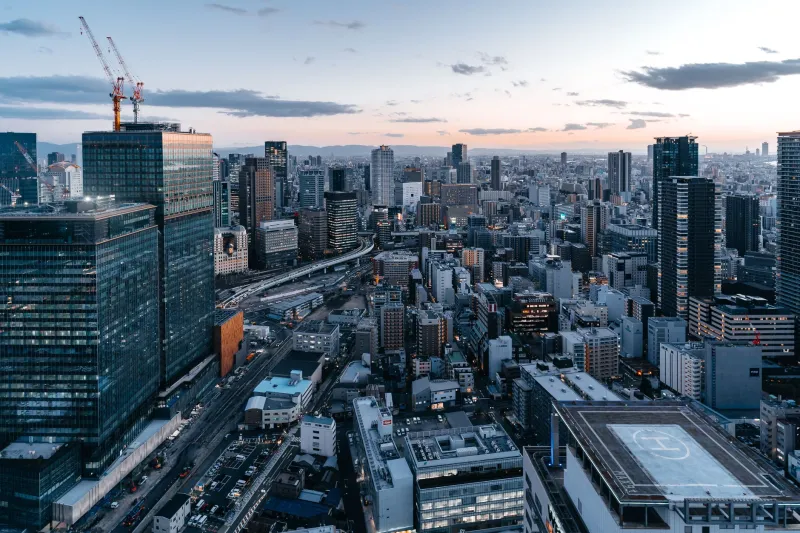
Osaka — Start here if you can. It's the most immediately accessible city in the region for American visitors. The food scene is extraordinary, the people are friendly and funny, and the energy is more approachable than Kyoto. Spend at least two nights. Eat constantly. Walk Shinsekai, Namba, and Nakazakicho. Take the train to Umeda and get lost in the department store basement food halls.
Kyoto — This is the one everyone comes for, and it earns it. But the version most tourists see — the main temple circuit, Arashiyama, Fushimi Inari — is only a slice. The neighborhoods are where the real Kyoto lives. Fushimi, Nishiki, Teramachi, the canal streets of Gion that aren't Hanamikoji. Give yourself time to walk without a destination.
Nara — Half a day minimum, full day if you're into history. The deer are real and they will absolutely headbutt you for crackers. The temples are genuinely ancient and enormous. Nara Park is more interesting than it looks from photos. Come early to beat the crowds.
Kobe — Often skipped, worth including. Compact, international, beautiful harbor. The beef is real and worth the splurge at least once. Easy day trip from Osaka.
Beyond the main four — If you have time: Himeji Castle (the best-preserved feudal castle in Japan), the Wakayama coast, the Iga ninja region, the mountain temples of Yoshino. These are the trips that turn a good Kansai visit into a great one.
Getting Around Without Losing Your Mind
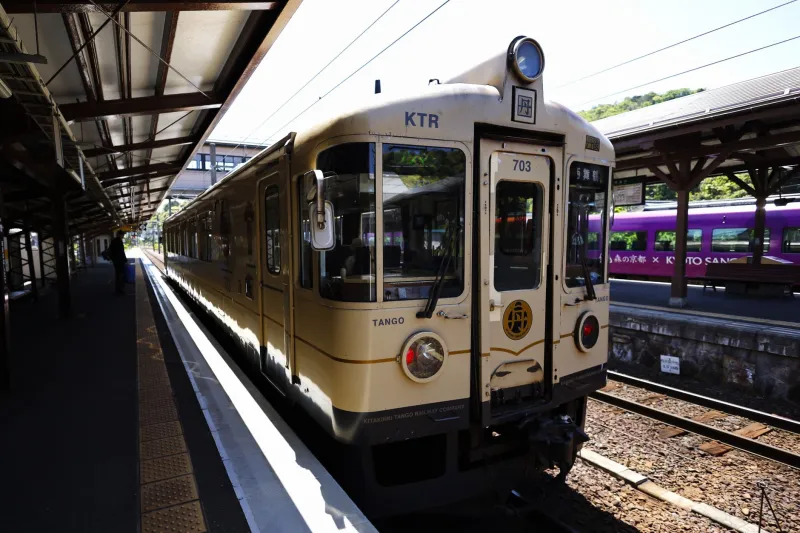
The train network is the backbone of everything. Kansai's rail system is fast, clean, punctual, and genuinely fun to use once you understand it. The key points:
- Get an ICOCA card at the airport or any major station. It's Kansai's standard IC card, works on most trains, subways, and buses, and is accepted at convenience stores. Load it with yen and tap in and out.
- The JR Kansai Area Pass is worth considering if you're doing longer hauls (Hiroshima day trips, for example). But it's not magic — it doesn't cover private rail lines like Hankyu or Kintetsu, which serve some of the best destinations.
- Google Maps works well for transit routing in Kansai. Use it. It's not cheating.
The Unwritten Rules You Need to Know
Japan has a lot of social norms that aren't written down anywhere but will make your trip significantly smoother if you know them.
- Quiet on the train. No phone calls, keep your voice low, headphones in if you're watching anything. This is serious in Kansai even though people are generally more expressive than in Tokyo.
- Walk on the left, stand on the right (on escalators). Osaka actually reverses this — stand on the right, pass on the left — which is the opposite of Kyoto and Tokyo. Pay attention to the crowd and follow their lead.
- Don't eat while walking. Festival food stalls are the exception, but in general, eating while moving is considered rude. Find a spot, eat, move on.
- Trash cans are rare. Carry a small bag for your convenience store wrappers. You will not find a bin when you need one.
- Cash still matters. Keep some on you. Not everything takes cards.
What This Site Is For
Nuki Navi Kansai exists to give you the layer of understanding that makes all the logistics worth it. The train maps and temple hours are easy to find. What's harder to find is context — why Kansai feels different from the rest of Japan, how to read a room, where locals actually eat, what that ritual you just watched actually means.
That's what we're here for. Browse the Culture & Language section when you want to understand Kansai on a deeper level. Head to Off the Beaten Path when you're ready to leave the tourist trail behind. And come back often — we're always adding new guides, neighborhood profiles, and local insights from people who know this region well.
Kansai is waiting. Go find it.