The Liquid Archive: What Kansai's Vending Machines Are Actually Telling You
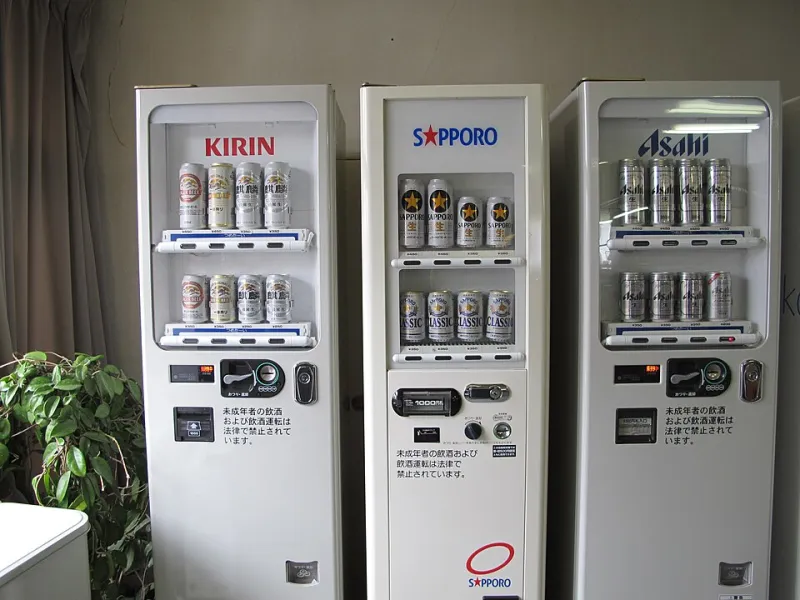
Photo: Sgroey, CC BY-SA 4.0, via Wikimedia Commons
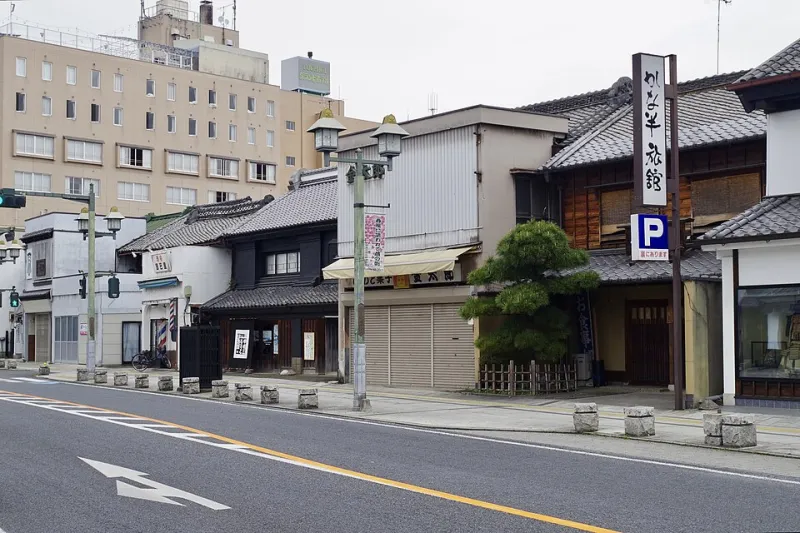
There are approximately 2.7 million vending machines in Japan. Kansai has a disproportionate share of them, tucked into temple approaches, wedged between machiya townhouses, humming quietly in the middle of rice fields at 11 p.m. They are, depending on your mood, either a quirky travel photo or a completely unremarkable part of the landscape.
They are also, if you're paying attention, one of the most honest cultural documents in the entire region.
Why a Vending Machine Is an Artifact
Here's the thing about Japanese beverage vending machines that American travelers rarely consider: the inventory isn't random. It's intensely, almost obsessively curated — by season, by region, by demographic, and sometimes by a specific neighborhood's known preferences. Convenience store chains and beverage companies treat these machines as both sales channels and real-time market research tools. What's in the machine in front of you is a direct reflection of who lives near it and what the company thinks they want right now.
Which means that a vending machine on the backstreet of Nishiki Market in Kyoto and a vending machine outside a factory in Osaka's Taisho ward are telling completely different stories. Noticing the difference is the whole game.
Seasonal Offerings and the Japanese Relationship With Time
America has seasonal drinks — pumpkin spice appears in August now, which is its own cultural statement — but Japan's beverage seasonality operates on a different level of granularity. In Kansai, vending machine inventories shift not just by season but by micro-season, tracking the traditional Japanese calendar that divides the year into 24 periods based on agricultural and astronomical markers.
In late February, you'll start seeing sakura-flavored waters and pale pink canned coffees appearing in machines around Kyoto, about three weeks before the actual cherry blossoms arrive. This is intentional: the drink is an anticipation of the season, not a celebration of it. By the time the blossoms peak, those drinks are often already being phased out, replaced by something that signals the next phase.
In summer, the cold section expands dramatically and you'll find regional twists on mugicha (roasted barley tea) that are specific enough to certain parts of Kansai that you genuinely can't find them elsewhere. Osaka-area machines tend to stock sweeter, more aggressively caffeinated versions. Kyoto machines skew toward subtler, more aromatic options. This is not coincidence. The companies know their customers.
How to Actually Read the Machine
If you approach a vending machine the way most tourists do — scan for something recognizable, insert coins, grab it — you're leaving most of the experience on the table. Here's a better method:
Start at the edges. The center of the machine holds the bestsellers, the reliable movers. The edges — top corners especially — are where companies trial new products or stock regional exclusives. That's where the interesting stuff lives.
Look for kanji that includes numbers. Limited-edition drinks often feature production run numbers or specific batch identifiers on the label. A drink that says something like "第3弾" (dai-san-dan, meaning "third release") is part of a series, which means there's a story behind it — usually a collaboration with a local festival, a seasonal ingredient, or a regional brand partnership.
Check the temperature indicators. Japanese machines often display both hot and cold options, and the hot section in winter is its own archaeology. Canned corn soup (yes, really) is a Kansai cold-weather staple that baffles most American visitors but has been a comfort food here since the 1970s. Canned oshiruko (sweet red bean soup) shows up around New Year and disappears fast. These aren't novelties — they're continuities.
Notice what's missing. If you're in a neighborhood with a large elderly population, you'll often see fewer energy drinks and more low-sugar, low-sodium options marketed toward older consumers. University areas stack the machine with high-caffeine options and value-sized bottles. The absence of something is as informative as its presence.
Kansai-Specific Finds Worth Hunting
A few things to specifically look for while you're here:
Kyoto-brand green tea drinks from producers like Ito En or Suntory often have Kyoto-exclusive versions that use higher grades of uji matcha than their national equivalents. The label will usually say 京都 (Kyoto) or specify 宇治 (Uji) as the tea origin. The taste difference is real and noticeable.
Pocari Sweat in the hot section. This sounds wrong — it's usually an ice-cold sports drink — but heated Pocari in winter vending machines around Osaka is a legitimate thing, and the warm, slightly salty-sweet flavor is an experience that exists nowhere else on earth.
Regional craft coffee cans. Osaka has a serious kissaten (old-school coffee shop) culture, and several of those shops have partnered with beverage companies to produce canned versions of their house blends, sold exclusively in machines within a few kilometers of the original café. Finding one of these is legitimately exciting if you care about coffee.
The Machine as Mirror
What all of this adds up to is a portrait of a region that thinks about small pleasures with unusual seriousness. The American beverage landscape is dominated by a handful of megabrands competing for maximum shelf presence. Kansai's vending machine culture is granular, local, and seasonal in a way that reflects a broader regional value: that the specific details of where you are and when you are there actually matter.
You can spend $300 on a cultural experience in Kansai. Or you can put 130 yen into a machine on a backstreet in Fushimi, pull out a limited-run sake-infused sparkling water that will be discontinued in six weeks, and understand something about this place that no tour guide will think to mention.
The machine is always on. The archive is always open.